 Scale
ScaleShopify Conversion Rate Optimization: The Complete Guide (2025)
Learn how top Shopify stores achieve 4%+ conversion rates through smart targeting, AI search, urgency tactics, and optimized checkout. Actionable strategies with real examples.

Summarize with ChatGPT
Click to open ChatGPT with prompt ready - just press Enter!
The Real Reason Your Shopify Store Isn't Converting (And How to Fix It)
You're driving traffic. Your products look great. But your conversion rate is stuck at 1.5%.
Here's what most agencies won't tell you: The difference between stores converting at 1.5% and those converting at 4%+ isn't complicated design tricks or fancy animations.
It's about answering one fundamental question: Does the person visiting your store actually want what you're selling?
And if they do want it, can they find it without frustration?
Let me explain.
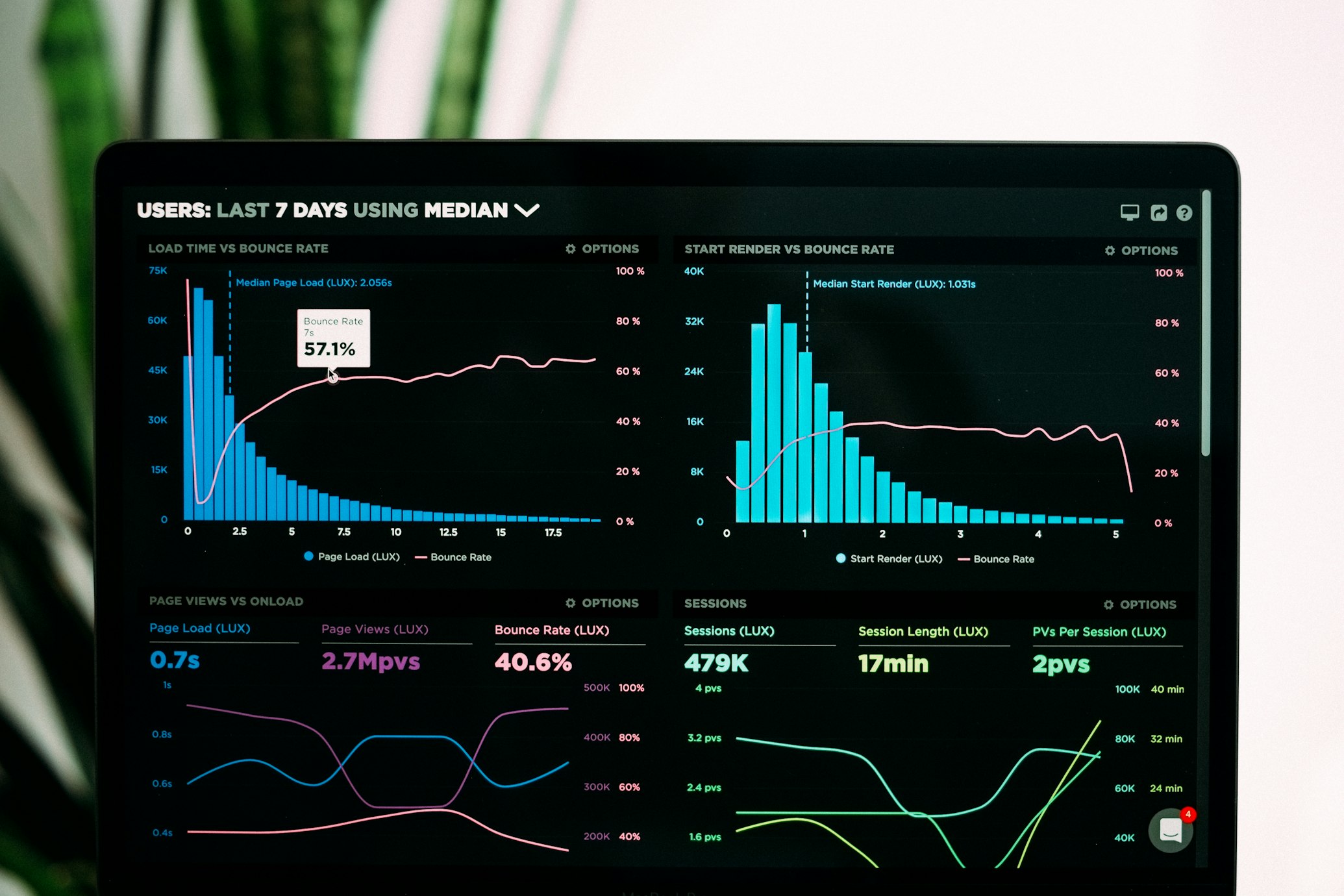
The #1 Factor That Kills Conversion (Before Anything Else)
I recently talked to a premium menswear brand. Beautiful site. Fast loading. Great photography.
Conversion rate: 0.9%.
The problem? They were running Google Ads targeting "men's t-shirts" and sending traffic to their $120 premium organic cotton tees.
People searching "men's t-shirts" want Nike. Adidas. Maybe Uniqlo.
They don't want $120 organic cotton with a 6-week production timeline.
This is the invisible conversion killer that happens before someone even sees your product page.
The Audience Targeting Problem
You can have the most optimized store in the world, but if you're marketing to the wrong audience, nothing else matters.
Example scenarios where this breaks:
Scenario 1: Premium Product, Budget-Conscious Traffic
- You sell handcrafted leather bags ($400-800)
- Your Instagram ads target "affordable handbags"
- Conversion rate: 0.5%
- Problem: Traffic wants $50-100 bags, not $400+ investment pieces
Scenario 2: Fast Fashion, Slow Delivery
- You sell trendy fashion with 2-3 week shipping from overseas
- Your ads emphasize "latest trends"
- Conversion rate: 1.2%
- Problem: Trend-conscious shoppers need items NOW for the weekend, not in 3 weeks
Scenario 3: Technical Product, General Audience
- You sell professional camera lenses
- Ads target "photography enthusiasts"
- Conversion rate: 1.8%
- Problem: Enthusiasts have iPhones. Professionals have DSLRs and know exactly what they need
How to Fix Audience Targeting
1. Be Brutally Honest About Your Customer
Write down:
- What problem does your product actually solve?
- Who has this specific problem AND can afford your solution?
- What words would THEY use to describe their need?
2. Audit Your Traffic Sources
In Google Analytics 4, check:
- Which channels convert best? (Paid ads vs. organic vs. social)
- Which landing pages convert best?
- What's the average order value by channel?
Often you'll find organic converts at 3% while paid ads convert at 1.2%. That tells you something.
3. Match Message to Market
If you're targeting people searching for "affordable running shoes," don't show them $200 technical trail runners.
If you're targeting "premium leather boots," don't mention "sale" or "discount" in your ads—it cheapens the positioning.
Real Example:
A skincare brand was targeting "anti-aging cream" and converting at 1.1%.
They shifted to targeting "natural skincare for women 40+" and showed ads featuring real customers in their 40s and 50s.
Conversion rate jumped to 2.8% with the same product, same site, same checkout.
The lesson: Get the right person to your store first. Then optimize everything else.
Now Let's Talk About What Happens AFTER They Land on Your Store
Once you've got the right traffic, conversion optimization is about reducing friction at every step.
The average customer journey has 15-20 decision points between landing and checkout. Each one is an opportunity to lose them.
Product Discovery: The Make-or-Break Moment
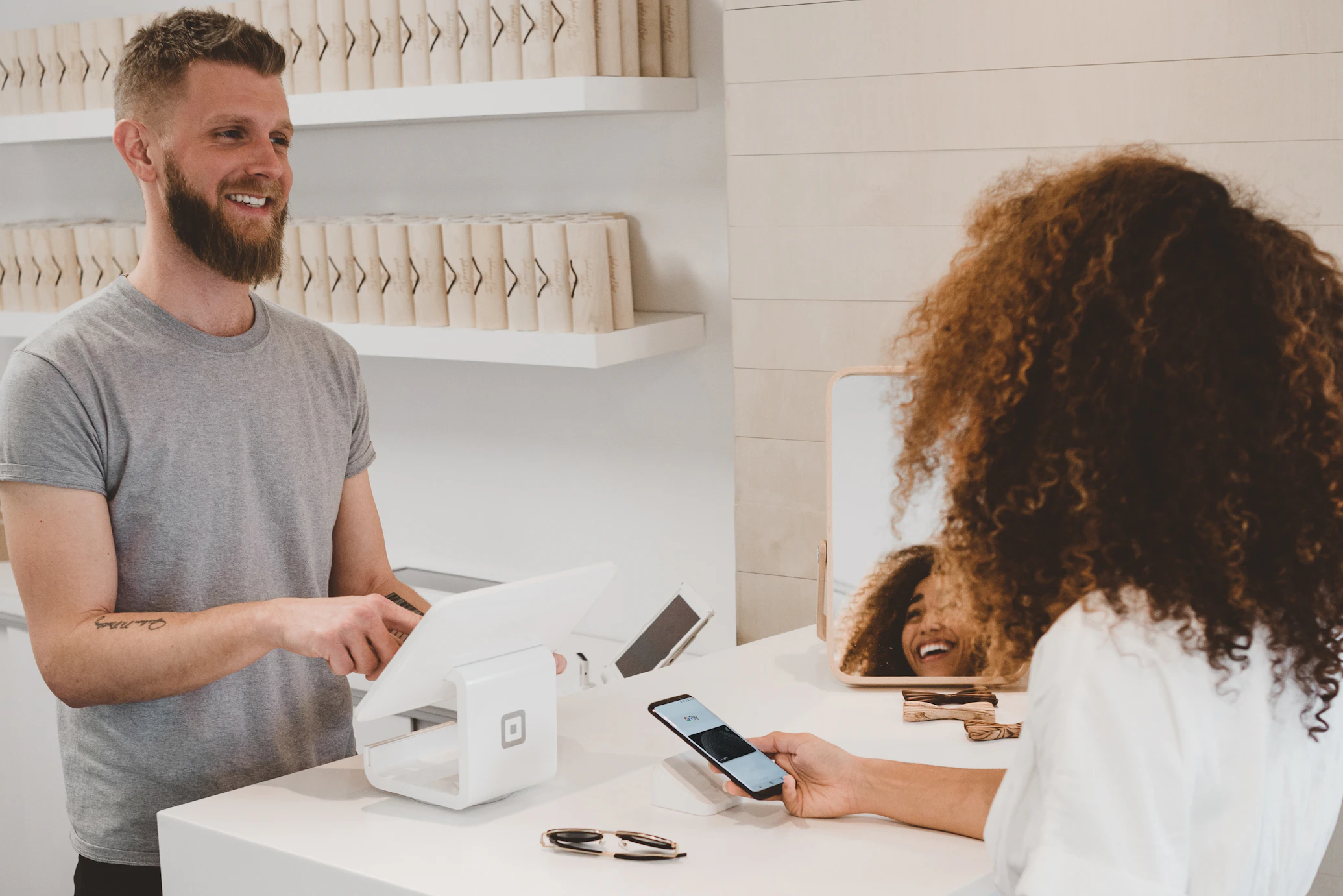
Stat: 43% of visitors go immediately to the search bar. If they can't find what they want in 2-3 searches, they leave.
The Search Bar Problem
Most Shopify stores have terrible search.
Customer searches: "black running shoes size 10"
Standard Shopify search returns:
- Black dress shoes
- Running shorts (because "running" matched)
- Random products with "10" in the description
Customer leaves. Conversion lost.
Enter AI-Powered Search

Modern AI search understands intent, not just keywords.
Customer searches: "something for a wedding gift under $100"
AI search understands:
- Occasion: wedding
- Intent: gift-giving
- Budget: under $100
- Context: appropriate formality level
Returns:
- Elegant serving bowls ($75)
- Premium candle set ($60)
- Engraved champagne flutes ($85)
This is how Amazon and major retailers work. Your Shopify store should too.
Real Implementation Example
A home goods store (8,000 products) integrated AI search:
Before:
- Average searches per session: 1.2
- Search-to-purchase rate: 8%
- "No results" rate: 31%
After:
- Average searches per session: 2.8 (people kept searching because it worked)
- Search-to-purchase rate: 23%
- "No results" rate: 4%
Revenue impact: 34% increase from search traffic alone.
Why This Works for Undecided Customers
Most conversion guides focus on customers who know exactly what they want.
But 40-50% of your traffic doesn't know exactly what they need.
They know the problem:
- "I need something for date night"
- "My bedroom needs something"
- "Gift for my girlfriend who likes minimal aesthetic"
Standard search fails them.
AI search can help:
Customer types: "minimalist jewelry girlfriend"
AI interprets:
- Style: minimalist, simple, clean
- Recipient: girlfriend (suggests appropriate price points)
- Category: jewelry
AI returns:
- Thin gold necklaces
- Simple stud earrings
- Delicate rings
And suggests: "Looking for a specific occasion?" with options like Birthday, Anniversary, Just Because
This is conversion optimization through better product discovery.
How to Implement Better Search
Option 1: AI Search Apps (Easiest)
Apps like Searchanise, Boost AI Search, or Prefixbox offer:
- Natural language understanding
- Synonym recognition
- Typo tolerance
- Visual search
- Personalized results
Cost: $15-80/month depending on catalog size
Option 2: Custom AI Search (For Large Catalogs)
If you have 5,000+ products and search is critical, consider custom AI search:
- Integrates with your product catalog
- Learns from customer behavior
- Handles complex queries
- Filters by intent, not just keywords
Cost: $8,000-15,000 to build, $200-500/month to maintain
We've built this for clients—happy to discuss: Learn more about our custom Shopify app development services
Product Page Optimization: The Psychology of "Buy Now"

Once they find the right product, your product page needs to convince them to buy.
Urgency Without Being Sleazy
Bad urgency: "ONLY 3 HOURS LEFT!!!" (timer resets daily) "854 people viewing this now!!!" (fake)
Customers aren't stupid. They know these are fake.
Good urgency:
"Only 2 left in stock" (when it's actually true)
This works because:
- It's believable (2 left is plausible)
- It's specific (not "low stock")
- It's verifiable (they can check back later)
Implementation:
Show stock quantity when inventory is genuinely low (under 5 units).
Don't show it when you have 500 in stock—looks desperate.
Real Example: Fashion Brand
A women's fashion brand implemented true low-stock indicators:
Before:
- No stock information shown
- Conversion rate: 2.1%
- Cart abandonment: 71%
After:
- Show "Only X left" when inventory < 5 units
- Show "Low stock" when inventory < 10 units
- Conversion rate: 2.7% (+29%)
- Cart abandonment: 64%
Why it worked: Created genuine FOMO without being manipulative.
Other Product Page Elements That Actually Move the Needle
1. Social Proof (Done Right)
Bad: "10,000+ happy customers!" (generic, unverifiable)
Good:
- Star rating: 4.7/5 from 247 reviews
- Show actual review snippets with names and dates
- Include photos from customers
- Show verification badges (Verified Purchase)
2. Size/Fit Information (For Apparel)
43% of returns are due to fit issues. More importantly, uncertainty about fit kills conversions.
Implement:
- Size guide (obviously)
- Fit model info: "Model is 5'9", wearing size M"
- Customer fit feedback: "Runs large" / "True to size" / "Runs small"
- Virtual try-on if budget allows
3. Trust Signals
- Free returns policy (clearly stated)
- Secure checkout badges
- Payment options visible (Apple Pay, Shop Pay)
- Shipping timeframe (not just "free shipping")
A beauty brand tested this:
Added "Free returns within 60 days. No questions asked." directly on product pages.
Conversion rate increased 18% while return rate only increased 3%.
Net positive: significantly more revenue.
The Subtle Art of Upselling Without Annoying Customers

Here's where most stores screw up: they interrupt the buying journey with aggressive upsells.
Bad upselling:
- Popup after add-to-cart: "WAIT! Don't you want these 5 other products?"
- Forced product bundles
- "Customers who bought X also bought Y, Z, A, B, C, D, E..."
Good upselling:
Suggestions that feel helpful, not sales-y, and don't break the flow.
Where to Show Recommendations
1. On the Product Page (Above the Fold)
"Complete the Look" or "Pairs Well With"
Example (Fashion):
- Customer viewing: Black leather jacket ($280)
- Show: White t-shirt ($40), Black jeans ($120)
- Position: Just below product images
- Format: 3-4 products max, clean layout
This works because it's genuinely helpful and doesn't interrupt checkout.
2. In the Cart (Subtle)
"Products other customers added" or "Don't forget"
Example (Home Decor):
- Cart contains: Dining table
- Suggest: Dining chairs, table runner, placemats
- Position: Below cart items, not as popup
- Format: Carousel, easy to scroll past
3. During Checkout (Shopify Plus Only)
Post-purchase upsell extensions.
Customer has already completed checkout. Then:
"Your order is confirmed! Would you like to add [complementary product] for 15% off? One-click to add."
This is brilliant because:
- They've already committed
- Payment info already entered
- Doesn't interrupt checkout flow
- Easy to decline
Real Results:
A supplement brand implemented post-purchase upsells:
- Offer: Add second bottle for 20% off
- Acceptance rate: 11%
- Average order value: increased 8%
- Cart abandonment: unchanged (because it happens after checkout)
The AI Recommendation Advantage
Remember our discussion about AI product recommendations?
Here's where it becomes conversion gold.
Traditional recommendation apps:
- Show products based on tags: "running shoes" shows all running shoes
- Manual setup required for every product
- Static recommendations (same for everyone)
AI recommendations:
- Analyze product attributes automatically
- Understand product relationships logically
- Personalize based on browsing behavior
- No manual setup
Example:
Customer viewing: Premium yoga mat ($80)
Traditional app shows:
- Other yoga mats (wrong—they already found the mat they want)
AI shows:
- Yoga mat carrier ($25)
- Yoga blocks ($18)
- Yoga towel ($20)
Conversion rate on recommended products: 8.7% vs 2.4% with traditional recommendations.
Checkout Optimization: The Final (and Most Critical) Hurdle

You got them to add to cart. 70% will abandon at checkout.
Why?
The 5 Checkout Killers
1. Unexpected Costs
Customer sees product: $50 Adds to cart: $50 Gets to checkout: $50 + $12 shipping + $4.50 tax = $66.50
32% of cart abandonment is due to unexpected costs.
Fix:
- Show shipping costs before checkout (add a shipping calculator)
- Mention "Taxes calculated at checkout" early
- Offer free shipping threshold clearly: "Add $15 for free shipping"
2. Forced Account Creation
"Create account to continue"
26% abandon because of this.
Fix:
- Always offer guest checkout
- Make account creation optional (post-purchase)
- Use email for order tracking, not forced accounts
3. Long, Complicated Forms
Standard Shopify checkout: 15+ fields to fill.
On mobile: painful.
Fix:
- Enable Shop Pay (autofills everything)
- Enable Apple Pay / Google Pay
- Use address autocomplete
- Minimize required fields
4. No Trust Signals
Customer hesitates: "Is this site legit?"
Fix:
- Security badges at checkout
- SSL certificate (obviously)
- Show accepted payment methods
- Guarantees visible: "Secure checkout"
5. Slow Checkout Performance
Checkout page takes 5+ seconds to load on mobile.
Each additional second reduces conversion by 7%.
Fix:
- Optimize checkout performance specifically
- Remove unnecessary scripts from checkout
- Use native payment methods (Shop Pay, Apple Pay)
- Consider headless checkout (more on this)
The Headless Checkout Advantage
Standard Shopify checkout is... fine.
But if you're doing $1M+/year and conversion matters, headless checkout offers serious advantages:
1. Pre-filled Customer Data
With headless architecture, you can:
- Store customer preferences (address, payment method)
- Pre-fill checkout for returning customers
- One-click checkout like Amazon
2. Custom Checkout Fields (Plus Only, Easier with Headless)
Want to add:
- Gift message field
- Delivery instructions
- Custom product options
Standard Shopify: Limited customization, requires Shopify Plus Headless: Complete control, can customize exactly as needed
3. Faster Performance
Headless checkout loads 40-60% faster than theme-based checkout.
On mobile especially, this matters.
4. Better Mobile Experience
Design checkout specifically for mobile (where 70% of traffic happens).
Real Example:
Premium beauty brand went headless:
Before (Standard Checkout):
- Mobile conversion: 1.8%
- Checkout completion time: 3m 20s
- Returning customer autofill: No
After (Headless Checkout):
- Mobile conversion: 2.9% (+61%)
- Checkout completion time: 1m 45s
- Returning customer autofill: Yes
- One-click checkout for 23% of customers
Annual revenue impact: $380,000 additional revenue from conversion improvement alone.
Investment: $35,000 for headless rebuild. ROI: Paid back in 5 weeks.
Interested in headless? Learn more about our headless commerce services
Putting It All Together: The Conversion Optimization Roadmap

Here's how to approach this systematically:
Phase 1: Audience Audit (Week 1)
Tasks:
- Review Google Analytics 4: which channels convert best?
- Check conversion rate by traffic source
- Analyze customer demographics and behavior
- Survey customers: "How did you find us? What were you looking for?"
Goal: Understand if you're attracting the right traffic
Phase 2: Product Discovery (Weeks 2-3)
Tasks:
- Audit current search functionality
- Install AI search app OR build custom search
- Test search with 20 common customer queries
- Monitor search analytics weekly
Goal: Make it effortless to find the right product
Phase 3: Product Page Optimization (Weeks 3-4)
Tasks:
- Add low-stock indicators (only when true)
- Improve social proof (reviews, ratings, customer photos)
- Add clear trust signals (returns policy, shipping info)
- Test different product image layouts
- Mobile experience testing
Goal: Reduce friction on product pages
Phase 4: Smart Recommendations (Weeks 4-5)
Tasks:
- Install AI recommendation app OR build custom
- Configure product page recommendations
- Set up cart recommendations
- Test post-purchase upsells (if Shopify Plus)
- Monitor recommendation click-through and conversion
Goal: Increase AOV without interrupting checkout
Phase 5: Checkout Optimization (Weeks 5-6)
Tasks:
- Enable guest checkout (if not already)
- Enable Shop Pay, Apple Pay, Google Pay
- Add shipping calculator before checkout
- Show all costs early
- Test checkout on 5+ mobile devices
- Consider headless if doing $1M+ annually
Goal: Minimize checkout abandonment
Phase 6: Monitor and Iterate (Ongoing)
Weekly:
- Check conversion rate by device
- Review checkout abandonment points
- Analyze search queries (what are people looking for?)
Monthly:
- A/B test one element (headlines, CTAs, layouts)
- Review customer feedback and support tickets
- Analyze product page bounce rates
Real-World Results: What's Actually Possible

Let me share results from 3 real stores (anonymized) that implemented these strategies:
Store 1: Premium Home Goods ($2M annual revenue)
Changes implemented:
- AI search (custom built)
- Low-stock indicators
- AI product recommendations
- Headless checkout
Timeline: 4 months
Results:
- Conversion rate: 1.9% → 3.4% (+79%)
- Average order value: $127 → $168 (+32%)
- Cart abandonment: 74% → 61%
- Annual revenue: $2M → $3.1M
Store 2: Fashion Brand ($800K annual revenue)
Changes implemented:
- Audience targeting refinement (ads)
- AI search app (off-the-shelf)
- Product page urgency
- Cart recommendations
Timeline: 2 months
Results:
- Conversion rate: 1.4% → 2.3% (+64%)
- Search-to-purchase: 9% → 19%
- Revenue from recommendations: +$140K annually
Store 3: Supplements ($500K annual revenue)
Changes implemented:
- Better product discovery (navigation + search)
- Product page trust signals
- Post-purchase upsells (Shopify Plus)
Timeline: 6 weeks
Results:
- Conversion rate: 2.1% → 2.9% (+38%)
- AOV: $56 → $68 (+21%)
- Post-purchase upsell acceptance: 11%
The Tools You Actually Need
For Search:
- Searchanise ($19-49/month) - Good for most stores
- Boost AI Search ($29-399/month) - Better AI, larger catalogs
- Custom build ($8K-15K) - For complex needs
For Recommendations:
- AI CrossSell, Upsell & Related by Scalefront (free-$29/month) - Our app, automatic AI matching
- Wiser ($9-59/month) - Good all-in-one
- LimeSpot ($18-1,200/month) - Enterprise-grade
For Analytics:
- Google Analytics 4 (free)
- Hotjar ($0-80/month) - Heatmaps and session recordings
- Lucky Orange ($10-50/month) - Alternative to Hotjar
For Checkout:
- Shop Pay (free) - Enable immediately
- Headless rebuild ($25K-60K) - For serious stores
Common Mistakes to Avoid
1. Optimizing the Wrong Thing First
Don't spend 2 months perfecting your product page design if you're sending the wrong traffic to your store.
Fix the funnel in order:
- Right audience
- Product discovery
- Product page
- Checkout
2. Fake Urgency
"354 people viewing this right now!" (resets every page load)
Customers aren't dumb. This destroys trust.
3. Too Many Upsells
Popup after add-to-cart. Another at cart. Another at checkout.
You're annoying them. One or two strategic points max.
4. Ignoring Mobile
70% of your traffic is mobile. Test everything on mobile first.
5. No Testing
"I think the red button will work better" is not a strategy.
A/B test one change at a time. Measure results.
What to Focus On Based on Your Revenue
Under $500K/year:
- Fix audience targeting
- Install AI search app (off-the-shelf)
- Add basic product recommendations
- Enable guest checkout + Shop Pay
$500K-$2M/year:
- Everything above, plus:
- Consider custom AI search
- Product page optimization (urgency, social proof)
- Post-purchase upsells if Plus
- Detailed analytics and testing
$2M+/year:
- Everything above, plus:
- Consider headless checkout
- Custom recommendation engine
- Dedicated CRO person/agency
- Advanced testing (multivariate)
Final Thoughts
Conversion optimization isn't about tricks or hacks.
It's about removing friction at every step:
- Right audience - Don't market premium products to budget shoppers
- Easy discovery - AI search helps customers find products in fewer clicks
- Clear product pages - Show urgency (when real), social proof, trust signals
- Helpful recommendations - Upsell without interrupting the flow
- Frictionless checkout - Pre-fill data, enable fast payment methods, consider headless
Start with audience targeting. That's where most stores lose.
Then work your way down the funnel systematically.
And if you need help with any of this—AI search, recommendations, headless checkout—we've built this for dozens of stores.
Frequently Asked Questions
What is a good conversion rate for Shopify stores?
Average Shopify conversion rates vary by industry, but generally: Overall average: 1.4-2.0%, Good: 2.5-3.5%, Excellent: 4.0%+. However, this varies significantly by industry (luxury goods convert lower, supplements higher), average order value (higher AOV = lower conversion typically), and traffic source (email converts highest at 4-6%, social lowest at 0.5-1%).
How can I reduce cart abandonment on Shopify?
The top 5 ways to reduce cart abandonment: 1) Show all costs (shipping, taxes) before checkout, 2) Enable guest checkout (don't force account creation), 3) Add trust signals (security badges, return policy), 4) Enable Shop Pay, Apple Pay, Google Pay for faster checkout, 5) Send cart abandonment emails (24% recovery rate typical). Average cart abandonment is 69-70%. Getting below 65% is excellent.
Should I use AI for product search on Shopify?
Yes, if you have 500+ products or complex catalog. AI search helps customers who don't know exact product names, search conversationally (gift for mom), make typos, or search by use case (running shoes for flat feet). Typical impact: 15-30% increase in search-to-purchase conversion rate.
What's the best way to add urgency to product pages?
Show real, verifiable urgency: Only 2 left in stock (when actually true), Ships in 2-3 business days (clear timeframe), Back-ordered until [date] (for out-of-stock items). Avoid fake urgency like countdown timers that reset, fake people viewing now counters, or false scarcity. Customers see through fake urgency and it damages trust.
Is headless commerce worth it for conversion optimization?
Headless commerce is worth considering if: Annual revenue over $1M, Mobile conversion is critical (70%+ mobile traffic), You want custom checkout experience, You need faster checkout performance, or Return customers are significant (pre-filled checkout). Investment: $25K-60K typically, Payback: 6-12 months through conversion improvement. For stores under $1M annually, focus on other optimizations first.
How do I know if I'm targeting the wrong audience?
Signs you're targeting the wrong audience: High traffic but low conversion (<1%), High bounce rate (>60%), Low pages per session (<2), Mismatch between traffic intent and product, or One channel converts well, others don't. Check Google Analytics 4: which channels/campaigns convert best? Double down on those.
What's the best product recommendation app for Shopify?
Depends on your needs: AI CrossSell, Upsell & Related by Scalefront (free-$29/mo) for automatic AI matching with zero manual setup, Wiser ($9-59/mo) for all-in-one solution with multiple widgets, or LimeSpot ($18-1,200/mo) for enterprise-grade personalization. For most stores under 2,000 products: Use AI-based automatic recommendations to save setup time.
How long does it take to improve conversion rate?
Timeline varies by changes: Quick wins (guest checkout, Shop Pay) are immediate, Search improvements take 2-4 weeks to see impact, Product page optimization takes 4-6 weeks, and Headless rebuild takes 3-6 months. Realistic expectation: 10-20% conversion improvement in 2-3 months with focused effort.

Written by ScaleFront Team
The ScaleFront team helps Shopify brands optimize their stores, improve conversion rates, and scale profitably.
Get in touch →Get Shopify Tips in Your Inbox
Join 1,000+ store owners getting weekly insights on Shopify optimization, conversion tactics, and growth strategies.
No spam. Unsubscribe anytime.
Need Expert Help with Your Shopify Store?
Get a free consultation with our Shopify optimization experts. We have helped dozens of brands improve their store performance and increase conversions.
Related Articles

How to Hit 6-7% Conversion Rate on Shopify: CRO Strategies That Work
Complete CRO playbook for Shopify stores. Increase conversion rate to 6-7% and AOV to $75+ with gender-specific landing pages, checkout optimization, and trust elements.

The Complete D2C Conversion Playbook: 20 Strategies From Brands Doing $100M+
Complete D2C conversion guide with 20 strategies from brands like Glossier, Allbirds, and Gymshark. Learn how to capture attention, reduce friction, and drive repeat purchases.

How To Do an Ecommerce CRO Audit in 6 Steps (Complete Guide)
Learn how to conduct a comprehensive ecommerce CRO audit. 6-step framework with tools, checklists, metrics, and real examples. Increase conversion rates systematically.